
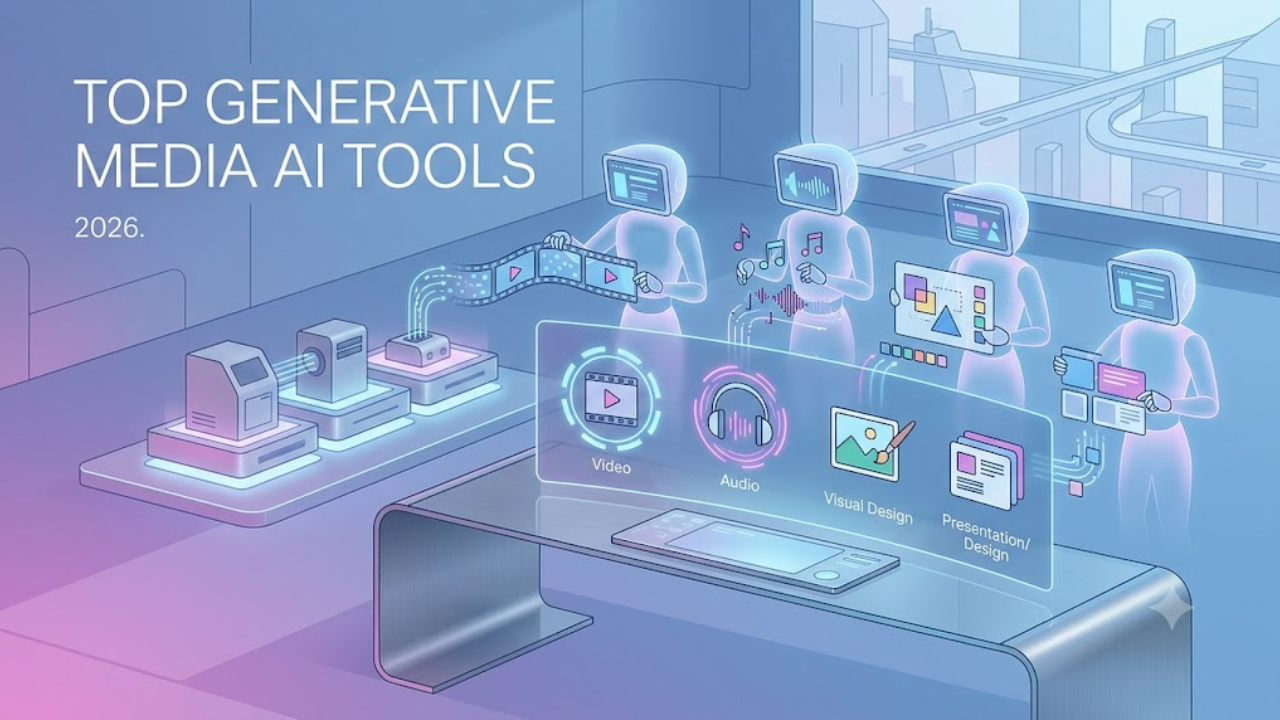
Generative media has reached a point where “impressive for AI” is no longer the standard—we now expect production-grade fidelity. Over the last few weeks, I pushed five of the most talked-about generative video, audio, and presentation tools through rigorous testing.
Here is my direct, unfiltered take on Veo by Google, Sora 2 by OpenAI, Higgsfield, Kling, and Gamma.
1. Google Veo: The Cinematic Heavyweight
Google’s Veo model sets a ridiculously high bar for sheer visual realism and lighting accuracy.
My Take
Veo feels like a true director’s tool. It natively produces crisp 4K visual output with accurate temporal motion, realistic spatial depth, and synchronized audio in a single pass. When I prompted complex camera moves—like a slow dolly zoom through a foggy forest—the atmospheric light scattering stayed completely consistent across frames without the usual visual warping.
- Strengths: Gorgeous native 4K output, impeccable lighting, and built-in spatial audio logic.
- Drawbacks: Requires considerable credit usage or cloud compute to run at full quality, making rapid trial-and-error iterations pricey.
Verdict: The gold standard for high-end cinematic visuals and establishing shots.
2. Sora 2 by OpenAI: Physics & Storytelling Mastery
OpenAI’s Sora 2 focuses heavily on physical accuracy and coherent narrative flow.
My Take
Sora 2 shines when objects interact with the physical world. Where older models struggled with gravity, momentum, or object permanence, Sora 2 handles realistic bounces, complex liquid splashes, and multi-second character actions naturally. The addition of synchronized dialogue and ambient sound adds massive production value right out of the box.
- Strengths: Top-tier physics simulation, 15 to 25-second video clip capability, and impressive prompt adherence.
- Drawbacks: High per-second generation costs make high-volume testing expensive compared to lighter alternatives.
Verdict: Unmatched when you need tight prompt adherence and realistic physical interactions.
3. Higgsfield: The All-in-One Creator Studio
Instead of locking you into a single proprietary engine, Higgsfield acts as a centralized creative suite and orchestration hub for multiple generative models.
My Take
Higgsfield bridges the gap between individual video models and complete creative workflows. It lets you storyboard scenes in one model, switch engines for specific character shots, and manage your entire asset pipeline under a single workspace. For short-form video creators and digital marketers, this eliminates the headache of jumping between five separate browser tabs and subscription plans.
- Strengths: Multi-model flexibility, smooth workflow management, and budget-friendly credit plans.
- Drawbacks: Advanced control settings can feel slightly overwhelming for total beginners.
Verdict: The most versatile daily hub for social video creators and agency workflows.
4. Kling: The Unbeatable Value Engine
Developed by Kuaishou, Kling continues to dominate as the workhorse of AI video generation.
My Take
Kling is fast, incredibly affordable, and remarkably reliable for multi-shot character consistency. While other frontier models focus on maxing out rendering budgets, Kling delivers high-quality 4K footage at a fraction of the cost. It excels at close-up character work, subtle facial expressions, and stylized narrative sequences without blowing through your budget.
- Strengths: Unbeatable cost-per-generation, excellent subject consistency across frames, and quick rendering times.
- Drawbacks: Very complex atmospheric physics can sometimes lack the raw realism found in Veo.
Verdict: The undisputed value champion for indie creators, animators, and high-volume storytellers.
5. Gamma: The Instant Design Specialist
Moving from video into visual presentation design, Gamma turns raw text ideas into polished decks, web pages, and documents in seconds.
My Take
If you still construct slide decks frame-by-frame, Gamma will ruin traditional presentation software for you. You drop in a rough outline, select a visual theme, and Gamma instantly generates clean, beautifully structured cards complete with interactive layouts, iconography, and embedded media. Editing is as simple as chatting with the design assistant to reformat cards or restyle sections.
- Strengths: Saves hours on pitch decks and visual briefs, responsive layouts, and intuitive AI design tweaks.
- Drawbacks: Highly customized enterprise branding sometimes requires manual design fine-tuning.
Verdict: The ultimate tool for turning raw ideas into client-ready visual presentations instantly.
My Final Verdict
- Choose Veo or Sora 2 when your project demands cinematic, high-budget visual realism.
- Use Kling when you need consistent character storytelling on a realistic budget.
- Bring them all together in Higgsfield to streamline your video pipeline.
- Reach for Gamma whenever you need to package your ideas into clear, engaging visual decks.

It’s really interesting to see how quickly things are developing in this space. I’m particularly curious about Higgsfield – the focus on sustainability seems like a smart move.