OpenAI just shipped GPT-6 Astra, and it hits different.
This isn’t another incremental chat upgrade. Astra is built to sit at a keyboard and actually do the work. It navigates apps, browses the web, fills forms, writes and debugs code, and handles professional tasks with a speed and judgment that previous models only gestured toward. OpenAI calls it the best computer-use model they’ve made. Early tests back that up: it books appointments, hunts for apartments, and digs through software faster than most people can.
The numbers look strong. Near-perfect scores on tough reasoning and math benchmarks. A perfect mark on a cybersecurity exploit test. Clear gains over the last generation on real software-engineering and terminal work. More importantly, the company claims tighter alignment—fewer unintended actions when the model is given real computer access. That matters when you’re handing an AI the keys to your tools.
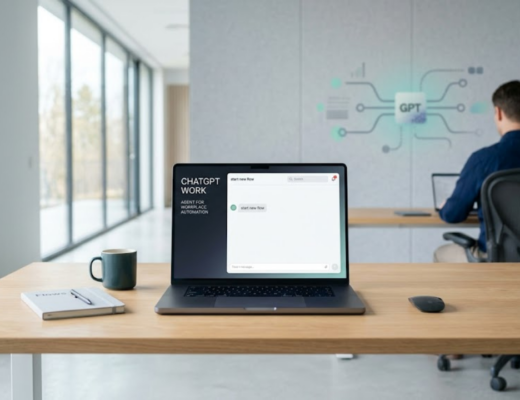
What stands out to me is the shift in posture. Earlier models mostly talked about the work. Astra seems designed to take a larger share of it. In ChatGPT Work and Codex it can operate the same everyday applications people already use, even without perfect APIs. That removes a lot of the friction that kept AI stuck as a clever sidekick instead of a real collaborator.
Is this the start of the “AGI era,” as some at OpenAI have suggested? Time will tell. Benchmark saturation and computer-use gains are impressive, but the harder questions—reliability at scale, long-horizon judgment, and what happens when these systems get deployed widely—still need real-world answers. The cautious rollout to paid users and enterprises makes sense.
For now, GPT-6 Astra feels like the first model that doesn’t just answer questions about your workflow. It steps into it. That’s the part worth watching closely.
I shared and discussed the details further about the key features and popular practical uses for OpenAI’s GPT-6 Astra app in our video channel. To watch it and to learn more, click here.