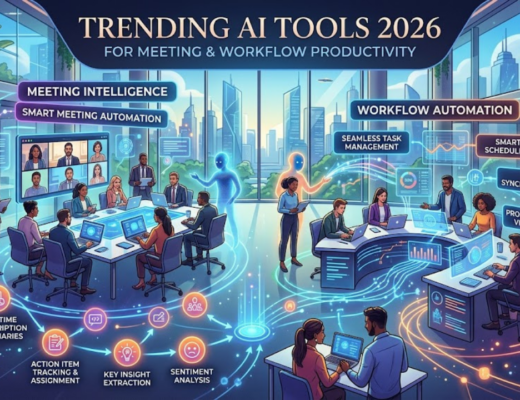
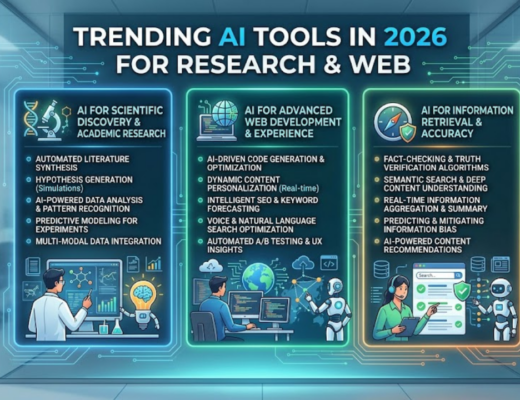
It is the year of the autonomous workspace. The technology landscape has evolved from simple, reactive chatbots into deeply embedded, highly proactive AI ecosystems. Instead of merely prompting AI for brainstorming assistance, we now oversee automated digital counterparts that manage our most demanding logistical workloads. In 2026, the phrase “there’s an app for that” has officially been replaced by “there’s an agent for that.”
At the core of this workplace transformation are Microsoft Copilot and Lindy—two compelling, yet distinctly different, powerhouses driving productivity and automation.
Microsoft CoPilot: The Corporate Baseline
Look out your window. See that massive cloud? That’s Microsoft weaving CoPilot into literally every enterprise crevice. Because it’s baked directly into Word, Excel, and Teams, it has an unfair advantage in the productivity space. My personal take? It’s fantastic for summarizing a 45-minute meeting that should have been an email, but the spreadsheet generation can still be a bit finicky. It’s an essential corporate tool, but it lacks that nimble, delightful spark found in standalone apps.
Lindy: The Executive Assistant You Actually Afford
Let’s be real—most “AI agents” are just glorified chatbots that hallucinate your calendar appointments. Lindy is different. I gave it a spin last week to see if it could handle my chaotic inbox triage. Not only did it draft context-aware replies that sounded scarily like me, but it also started automatically booking discovery calls based on my real-time availability. It feels less like a prompt box and more like a silent partner working in the background. If you’re drowning in operational drag, this is the automated workflow tool you need to look into.
Ecosystem Power vs. Autonomous Agility
When choosing between Microsoft Copilot and Lindy as top-tier AI tools in 2026, your decision hinges on your specific workspace environment and what productivity means to you.
Whether you rely on Copilot to organize massive corporate data networks or deploy Lindy to autonomously manage inbox workflows and customer outreach, the takeaway is clear: today’s most efficient professionals aren’t increasing their workload—they are optimizing their automation.