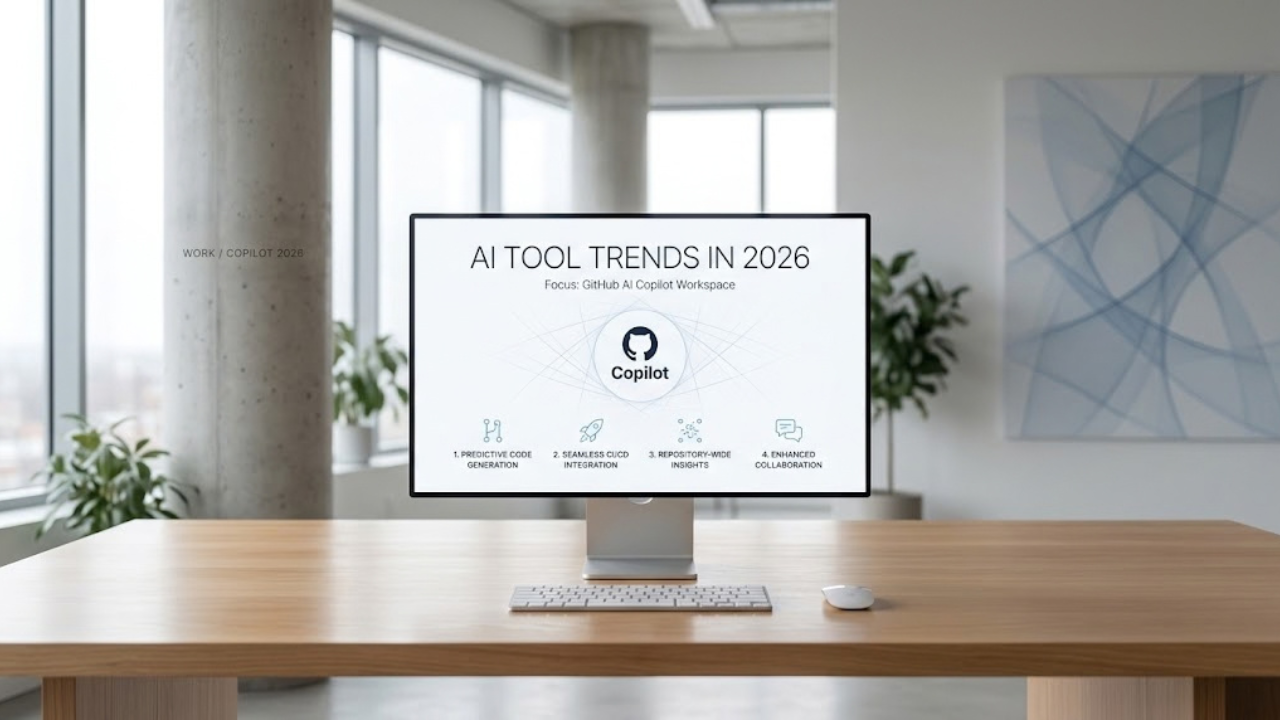
GitHub Copilot Workspace never felt like just another autocomplete tool. It aimed higher. You opened a GitHub Issue, described what you wanted in plain English, and watched an AI build a plan, write the code, run tests, and hand you a pull request—all inside a browser-based environment designed for the full task, not a single line.
It launched as a technical preview in 2024 from GitHub Next. Developers could brainstorm specs, edit the plan step by step, implement changes across files, validate with an integrated terminal, and share the workspace with teammates for quick iterations. One click created the PR. The experience felt collaborative by default and worked from mobile too. You stayed in control: every plan, every code change, every repair remained editable or undoable.
What made it interesting was the shift in mindset. Instead of suggesting the next function, Workspace treated the entire developer journey—from idea to working code—as the unit of work. It leaned on context from the repository, issue discussions, and codebase understanding. For everyday tasks like fixing bugs or iterating on pull requests, it offered a genuine acceleration path that still left the human steering.
The technical preview ended in May 2025. GitHub did not abandon the concept. The core ideas—issue-to-plan-to-code workflows, sub-agents for planning and repair, asynchronous execution—matured into the Copilot Coding Agent and broader agent mode features now available to paid users. You can assign an issue to Copilot, let it work in a secure cloud environment powered by GitHub Actions, and review the resulting draft PR. The same spirit lives in today’s agent experiences inside VS Code and the Copilot app.
I still think about Workspace fondly because it forced a useful question: what if AI stopped completing your sentences and started helping you finish the ticket? That experiment proved the value of task-centric, steerable agents tightly integrated with GitHub. The product itself may have been temporary, but the workflow it pioneered is now part of how many teams ship code.
I shared and discussed the details further about the key features and popular practical uses for GitHub Copilot Workspace AI app in our video channel. To watch it and to learn more, click here.